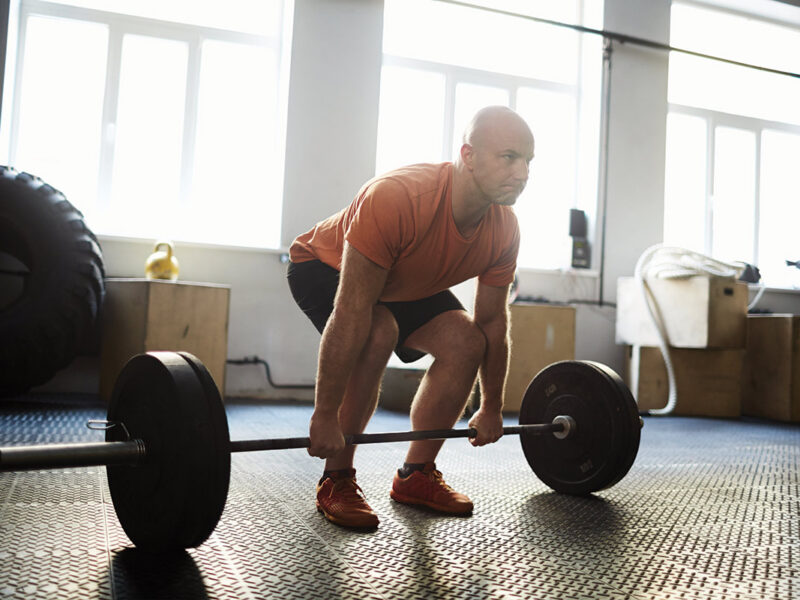

Whether you’re an athlete or just starting out, take time to stretch and support your body for activities like strength training, dance, or playing sports. This habit can help you stay mobile as you get older, set you up for a successful workout, and prepare you for other training endeavors.
Prepare for Your Next Workout
Stretching is a key part of your fitness routine as it can help prepare your body for recovery. According to Harvard Health Publishing, it is best to perform low-intensity exercise before you stretch for five to ten minutes, such as walking. Slowly heating up your cold muscles provides circulation to help reduce the risk of injury. Easing into high-intensity physical activity might help relieve tension you may be carrying with you throughout the day. Plus, regularly stretching can even help improve your flexibility. Keeping your joints and muscles limber can support your daily movements.
Stretching Strategies
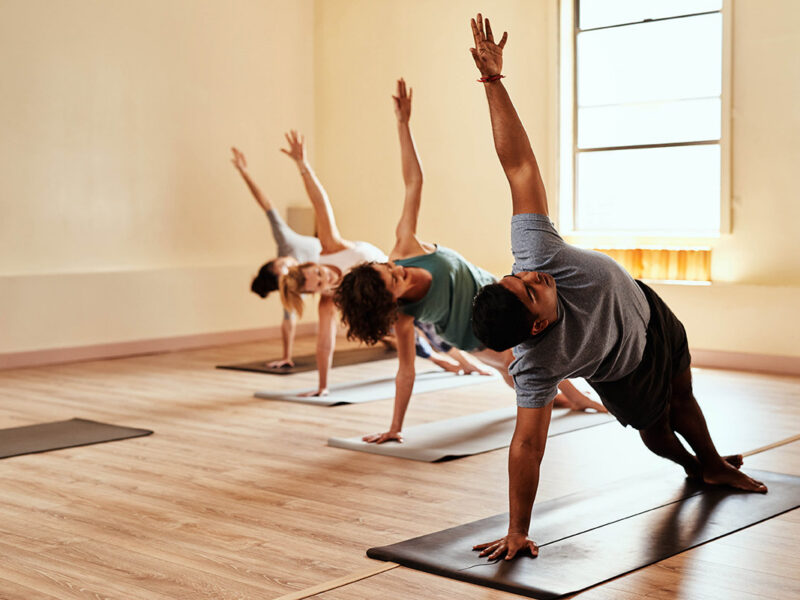
Harvard Health Publishing suggests that stretching three to four times per week is a helpful habit. Make stretching a priority at the end of your workouts as well. In Pilates or yoga classes, instructors usually have you stretch at the end of class because your muscles are already warm. Attend our Group Exercise classes for a supportive fitness environment. Check out our Pilates, yoga, and Mind & Body classes for a full-body workout. See our schedule here.
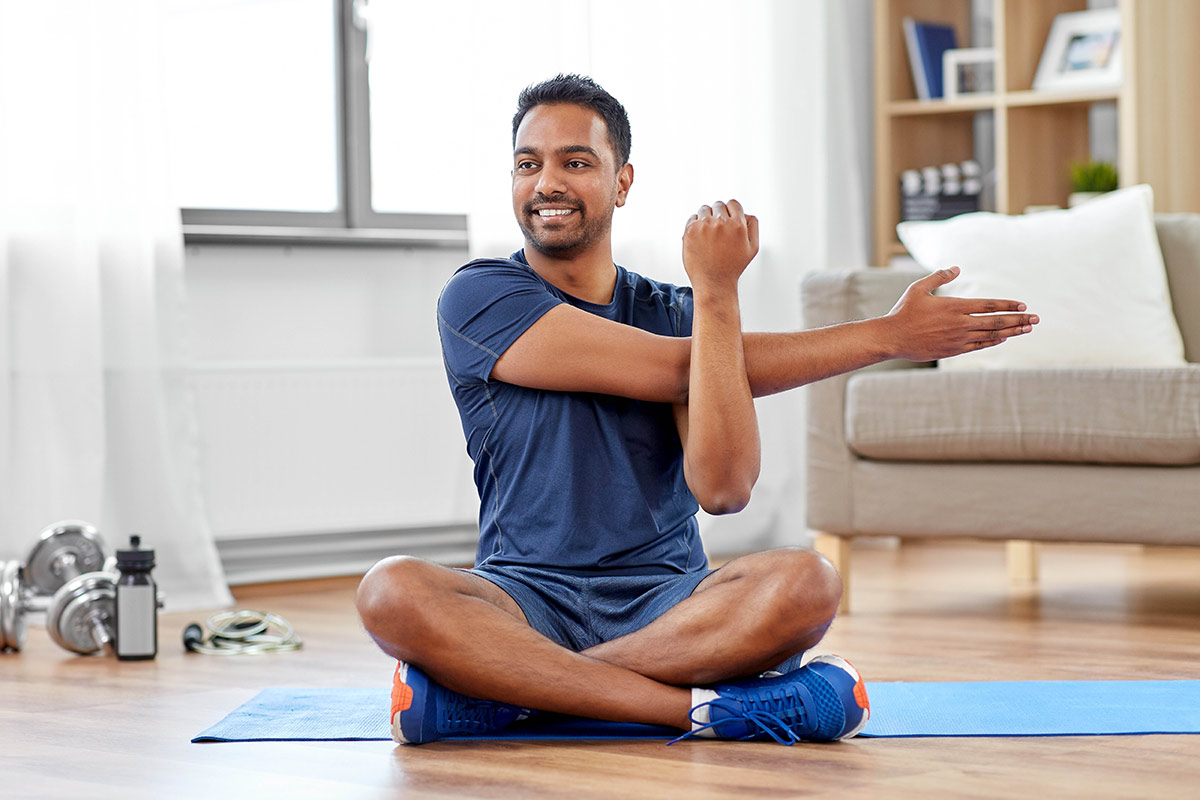
When you stretch, focus on areas such as your legs, arms, and shoulders. It is recommended that your hold each stretch for about 30 seconds. Classic stretches include rotating your head in circles, a hamstring stretch, and more. Start stretching to improve your fitness and recovery. A good stretch offers many benefits and can help you reach your wellness goals, leading to a healthier, happier you.
For more information, visit the Member Services desk.
Reference:
LeWine, Howard. “The Importance of Stretching.” Harvard Health Publishing. April 17, 2024. https://www.health.harvard.edu/healthy-aging-and-longevity/the-importance-of-stretching